Physical therapy doesn’t usually fail the patient. It fails when the approach is incomplete.


Pickleball Injuries and Physical Therapy
Pickleball is fun, social, and a great way to stay active. But as the sport has become increasingly popular, more players are experiencing injuries related to falls, repetitive movements, overuse, and sudden increases in activity.
Whether you are a new pickleball player or have been playing for years, pain should not automatically be considered “part of the game.” Physical therapy can help identify what may be contributing to your symptoms, improve strength and mobility, and help you safely return to the activities you enjoy.
At Kickstart Physical Therapy in Tampa, we work with active adults and athletes to help them recover from injury and move with greater confidence.
Pickleball Elbow
Pain on the outside of the elbow is often associated with repetitive gripping and racquet or paddle sports. Similar to tennis elbow, this type of pain can develop gradually from repetitive stress on the tendons of the forearm.
You may notice:
- Pain with gripping your paddle
- Pain when lifting objects
- Tenderness around the outside of the elbow
- Pain during or after playing
At Kickstart Physical Therapy, our goal is to empower you to function at your very best. Isn’t it time for you to Kickstart your health journey?
Shoulder Pain
Serving, overhead shots, reaching, and repetitive swings can place stress on the shoulder. Shoulder pain may involve the rotator cuff, surrounding muscles, or other structures in and around the joint.
Pain may become more noticeable when:
- Reaching overhead
- Serving or hitting an overhead shot
- Reaching behind your back
- Sleeping on the affected shoulder
Knee Pain
Pickleball requires frequent bending, lunging, pivoting, and quick changes in direction. These movements can place increased demands on the knees, particularly when a player suddenly increases the amount or intensity of their playing.
Knee pain may develop from overuse, changes in movement mechanics, weakness, or an acute injury.
Ankle Injuries and Sprains
Quick lateral movements and sudden changes in direction can challenge your balance and ankle stability. A misstep or awkward landing can result in an ankle sprain.
Even after an ankle sprain seems to feel better, lingering weakness or reduced balance can increase the risk of future problems.
Wrist and Hand Injuries
Falls are a common concern in pickleball, particularly when players attempt to reach for a ball or move backward quickly. Landing on an outstretched hand can cause significant stress to the wrist.
Wrist pain can also develop from repetitive gripping and paddle use.
Hip and Low Back Pain
The combination of rotation, lunging, bending, and quick movement can contribute to hip or low back pain. Limited mobility in one area may also cause other parts of the body to compensate during play.
Why Do Pickleball Injuries Happen?
Injuries can happen for many different reasons. Some players begin playing several times a week without giving their bodies enough time to adapt to the increased workload.
Other contributing factors may include:
- Insufficient warm-up
- Muscle weakness
- Limited mobility
- Poor balance
- Previous injuries
- Inadequate recovery between games
- Sudden increases in playing time or intensity
- Poor movement mechanics
- Inappropriate footwear
Pickleball is often perceived as a low-impact activity, but it still places significant demands on your body. The combination of repeated movement and quick reactions can expose areas of weakness or limited mobility.
How Physical Therapy Can Help With Pickleball Injuries
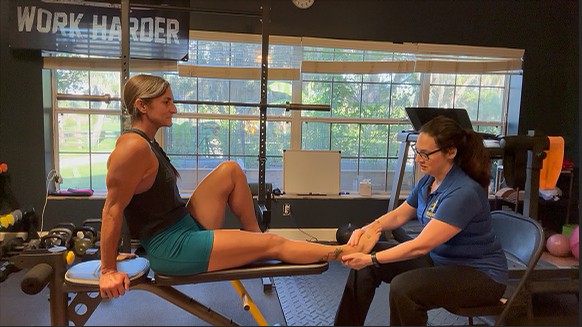
Physical therapy is not simply about treating the painful area. A thorough evaluation looks at how your body moves as a whole and what may be contributing to your symptoms.
At Kickstart Physical Therapy, treatment may include:
A Comprehensive Movement Evaluation
We look at your strength, flexibility, balance, mobility, and movement patterns to better understand the factors contributing to your pain or injury.
Targeted Strengthening
Strengthening the muscles that support your shoulders, core, hips, knees, and ankles can help improve your ability to handle the demands of pickleball.
Mobility and Flexibility
Limited mobility can affect how you move on the court. Improving mobility where appropriate may help you move more efficiently and reduce unnecessary stress on other areas of the body.
Manual Therapy
Hands-on techniques may be used to help address areas of stiffness, muscle tension, and restricted movement as part of a comprehensive treatment plan.
Balance and Movement Training
Pickleball requires quick reactions, changes in direction, and the ability to control your body while moving. Balance and movement training can be an important part of returning to the court with confidence.
A Personalized Return-to-Play Plan
The goal is not simply to feel better while sitting at home. The goal is to help you return to the activities that matter to you—including pickleball.
Your treatment plan may include guidance on gradually returning to play, modifying activities temporarily, and building the strength and control needed to participate safely.
Can Physical Therapy Help Prevent Pickleball Injuries?
Physical therapy can also be helpful before an injury occurs.
If you are a regular pickleball player, a physical therapy evaluation may help identify areas of weakness, limited mobility, balance deficits, or movement limitations that could affect your performance.
A personalized exercise program may help you:
- Improve strength
- Improve mobility
- Build better balance and control
- Prepare your body for the demands of pickleball
- Return to play after an injury
- Continue participating in the sport you enjoy
A proper warm-up, appropriate footwear, gradual increases in activity, and adequate recovery are also important components of injury prevention.
When Should You See a Physical Therapist for Pickleball Pain?
You do not necessarily have to wait until your pain becomes severe before seeking help.
Consider scheduling an evaluation if:
- Pain continues after playing
- Your symptoms are getting worse
- You are changing how you move because of pain
- You have stopped playing because of an injury
- You have recurring injuries
- You feel unstable or unsteady on the court
- You are returning to pickleball after surgery or a significant injury
Early evaluation may help address a problem before it becomes more limiting.
Get Back to the Activities You Love
Pickleball should be something you enjoy—not something that continually leaves you dealing with pain.
Whether you are dealing with shoulder pain, pickleball elbow, knee pain, an ankle injury, or another movement problem, physical therapy can help you better understand your symptoms and develop a personalized plan to help you move forward.
At Kickstart Physical Therapy, we provide one-on-one physical therapy with a Doctor of Physical Therapy. Our goal is to help active adults and athletes recover, move better, and get back to the activities they enjoy.
If pickleball pain is keeping you off the court, contact Kickstart Physical Therapy in Tampa to schedule an evaluation.
Your New Start Begins Here.
Why Kickstart Physical Therapy Is the Right Choice for You
At Kickstart Physical Therapy, every session is one-on-one with a certified manual therapist, start to finish.
That means:
Your therapist works with only you
Hands-on manual therapy when your body needs it
Exercises tailored specifically to your movement patterns
Ongoing reassessment—not “set it and forget it”
Time to listen, educate, and problem-solve
This approach allows us to connect the dots between what hurts and why it keeps happening.
Tags:best physical therapy Tampa Wesley Chapelchronic pain physical therapyfailed physical therapy Floridamanual therapy wesley chapel tampa floridaone-on-one physical therapy Wesley Chapel Tampapersonalized physical therapyphysical therapy athlete wesley chapel and tampaphysical therapy for complex casespickleball injuries wesley chapel and tamparoot cause of pain physical therapy