Physical therapy doesn’t usually fail the patient. It fails when the approach is incomplete.


The Missing Link Between Running Injuries, Posture, and Joint Alignment
Running is one of the best ways to stay active, relieve stress, and improve overall health. But for many runners, pain becomes part of the routine. Tight hips, recurring knee pain, shin splints, Achilles irritation, and plantar fasciitis are often treated as “normal” for runners.
The problem is that many runners are only addressing the symptoms — not the real cause.
At Kickstart Physical Therapy, we often see runners who spend months stretching muscles and foam rolling fascia, yet their pain keeps returning. In many cases, the issue is not simply muscle tightness. It is a movement and alignment problem.
Why Stretching Alone Often Isn’t Enough
Stretching can help improve flexibility and temporarily reduce tension. However, if your joints are not moving efficiently or your posture is placing stress on certain areas of the body, the muscles will continue to compensate.
That means the “tightness” keeps coming back.
When the body loses optimal alignment or movement control, runners may develop:
- Knee pain
- IT band irritation
- Hip tightness
- Shin splints
- Achilles tendon pain
- Plantar fasciitis
- Low back discomfort
- Neck and shoulder tension
These problems are often connected to how the body moves as a whole rather than a single isolated muscle.
At Kickstart Physical Therapy, our goal is to empower you to function at your very best. Isn’t it time for you to Kickstart your health journey?
The Role of Posture and Joint Alignment in Running
Running is repetitive. Every stride places force through your feet, knees, hips, spine, and shoulders. Small movement problems repeated thousands of times can eventually create pain and inflammation.
Poor posture or joint mechanics may cause:
- Increased stress on the knees
- Reduced hip mobility
- Excessive foot strain
- Muscle overuse
- Decreased running efficiency
- Slower recovery between runs
Many runners are surprised to learn that improving alignment and joint mobility can reduce pain more effectively than aggressive stretching alone.
Injury Prevention for Runners
One of the biggest mistakes runners make is waiting until the pain becomes severe before seeking help.
Early physical therapy can help identify:
- Movement compensations
- Joint restrictions
- Weakness and instability
- Postural imbalances
- Inefficient running mechanics
Addressing these issues early may help prevent chronic injuries and improve long-term performance.
Recovery Is More Than Rest
Rest alone does not always solve the underlying issue. If faulty mechanics remain, the pain often returns once training resumes.
At Kickstart Physical Therapy, we focus on helping runners:
- Restore efficient movement
- Improve posture and alignment
- Build stability and control
- Improve mobility where needed
- Reduce recurring pain
- Return to running safely and confidently
Our one-on-one treatment approach is designed to help runners move better — not just feel better temporarily.
Better Movement Can Improve Performance
When the body moves more efficiently, runners often notice:
- Easier recovery
- Better endurance
- Improved stride mechanics
- Less stiffness
- More consistent training
- Reduced injury risk
The goal is not just pain relief. The goal is helping runners continue doing what they love without constant setbacks.
Physical Therapy for Runners in Tampa, FL
Whether you are training for races, returning from injury, or simply trying to run without pain, physical therapy can help uncover the underlying causes of recurring issues.
Kickstart Physical Therapy provides one-on-one care for runners and active adults in the Tampa area with a focus on movement, performance, recovery, and injury prevention.
If your pain keeps coming back despite stretching and recovery tools, it may be time to look deeper at how your body is moving.
Why Kickstart Physical Therapy Is the Right Choice for You
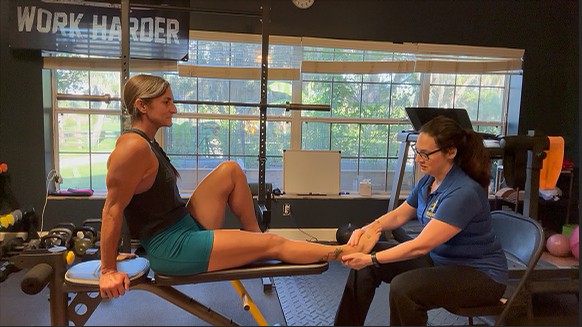
At Kickstart Physical Therapy, every session is one-on-one with a certified manual therapist, start to finish.
That means:
Your therapist works with only you
Hands-on manual therapy when your body needs it
Exercises tailored specifically to your movement patterns
Ongoing reassessment—not “set it and forget it”
Time to listen, educate, and problem-solve
This approach allows us to connect the dots between what hurts and why it keeps happening.
Tags:best physical therapy Tampa Wesley Chapelchronic pain physical therapyfailed physical therapy Floridamanual therapy wesley chapel tampa floridaone-on-one physical therapy Wesley Chapel Tampapersonalized physical therapyphysical therapy athlete wesley chapel and tampaphysical therapy for complex casesphysical therapy for runners tampa and wesley chapelroot cause of pain physical therapyrunners stretching tampa