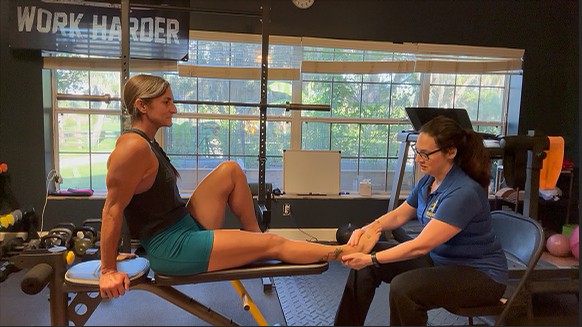
Physical therapy doesn’t usually fail the patient. It fails when the approach is incomplete.


What Is Hypermobility Spectrum Disorder?
Hypermobility Spectrum Disorder (HSD) refers to a group of conditions where joints move beyond the normal range of motion and cause symptoms like pain, instability, and fatigue. While some people are naturally flexible without issues, others experience significant challenges that impact daily life.
HSD exists on a spectrum, meaning symptoms and severity vary widely. Some individuals may only notice occasional discomfort, while others struggle with chronic pain, joint instability, or frequent injuries.
HSD vs. Ehlers-Danlos Syndrome: What’s the Difference?
HSD is closely related to Ehlers-Danlos Syndrome (EDS), a group of genetic connective tissue disorders.
- HSD is diagnosed when someone has symptomatic hypermobility but does not meet full criteria for EDS.
- EDS involves more defined genetic and systemic features.
Both conditions affect connective tissue, which supports joints, muscles, and organs. Importantly, people with HSD can experience symptoms just as impactful as those with EDS.
At Kickstart Physical Therapy, our goal is to empower you to function at your very best. Isn’t it time for you to Kickstart your health journey?
Common Symptoms of Hypermobility Spectrum Disorder
People with HSD may experience:
- Joint pain or frequent soreness
- Joint instability or “giving out”
- Frequent sprains or subluxations
- Muscle fatigue and weakness
- Poor proprioception (body awareness)
- Chronic fatigue
- Difficulty with prolonged activity or standing
For performing artists, athletes, and active adults, these symptoms can significantly affect performance and confidence.
Why Hypermobility Is Often Misunderstood
Many individuals with HSD are told they are “just flexible” or even praised for their mobility—especially in dance, gymnastics, or yoga.
However, mobility without stability can lead to injury.
Because symptoms are often invisible, people with HSD may go undiagnosed for years, leading to frustration and delayed care.
How Physical Therapy Helps Hypermobility
The goal of physical therapy for HSD is not to increase flexibility—but to build strength, control, and stability.
At a personalized, one-on-one clinic like yours, treatment focuses on the individual—not just the diagnosis.
Key components of treatment include:
1. Strength Training for Joint Stability
Targeted strengthening helps support joints and reduce strain on connective tissue.
2. Proprioception & Neuromuscular Control
Improving body awareness helps prevent injury and enhances coordination.
3. Movement Re-education
Learning how to move efficiently—especially for dancers, musicians, and athletes—is essential.
4. Activity Modification (Not Elimination)
The goal is to keep people doing what they love, safely.
Hypermobility and Performing Artists
Hypermobility is common in dancers, musicians, and performers. While it can be an asset, it also increases the risk of:
- Overuse injuries
- Joint instability
- Chronic pain
A specialized physical therapy approach can help performers maintain longevity in their craft while protecting their bodies.
Why One-on-One Care Matters for HSD
HSD is highly individualized. No two people present the same way.
That’s why one-on-one physical therapy at Kickstart Physical Therapy is critical:
- Care is tailored to your specific symptoms and goals
- Exercises are progressed safely
- You receive hands-on guidance and correction
- Treatment adapts as your body changes
When to Seek Help
You may benefit from physical therapy if you:
- Feel unusually flexible but experience pain
- Have frequent joint injuries
- Struggle with stability or coordination
- Experience chronic fatigue related to movement
Early intervention can prevent long-term complications and improve quality of life.
Take the First Step Toward Stability
Living with Hypermobility Spectrum Disorder doesn’t mean giving up activity—it means learning how to move smarter, stronger, and with confidence.
With the right guidance, you can build stability, reduce pain, and continue doing what you love.
Tags:best physical therapy Tampa Wesley Chapelchronic pain physical therapyehlers danlos wesley chapel and tampafailed physical therapy FloridafloridahEDS tampa and wesley chapelhypermobility spectrum disorder tampamanual therapy wesley chapel tampa floridaone-on-one physical therapy Wesley Chapel Tampapersonalized physical therapyphysical therapy for complex casesroot cause of pain physical therapy