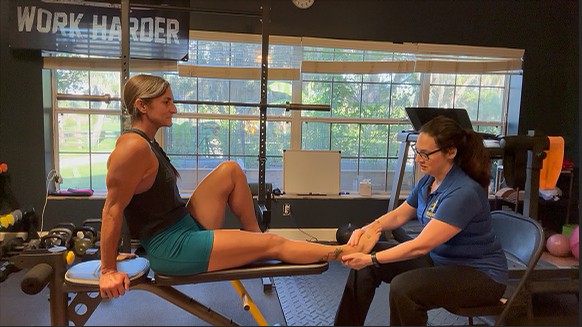
Physical therapy doesn’t usually fail the patient. It fails when the approach is incomplete.


What Is Costochondritis?
Costochondritis is an inflammatory condition affecting the cartilage where the ribs attach to the sternum (breastbone). This area, known as the costosternal joint, can become irritated and painful—often mimicking more serious conditions.
Patients commonly report:
- Sharp or aching chest pain
- Pain that worsens with movement, deep breathing, or coughing
- Tenderness when pressing on the rib joints
- Pain that may radiate to the back or shoulders
Because these symptoms overlap with cardiac or pulmonary conditions, costochondritis is often misdiagnosed—or missed entirely.
At Kickstart Physical Therapy, our goal is to empower you to function at your very best. Isn’t it time for you to Kickstart your health journey?
Trauma as a Cause (Including Car Accidents)
A motor vehicle accident (even a “minor” one) can create significant forces through the chest wall. This may lead to:
- Irritation of the costosternal joints (where ribs meet the sternum)
- Rib dysfunction or subtle misalignment
- Soft tissue strain in the chest, neck, and upper back
Seatbelt pressure, sudden deceleration, or bracing during impact can all contribute. The tricky part is that imaging often looks normal, so the rib and cartilage irritation gets missed.
Many people don’t feel symptoms immediately—they may develop:
- Chest pain days or weeks later
- Pain with deep breathing, twisting, or reaching
- Persistent discomfort that doesn’t respond to rest alone
Other Common Causes of Costochondritis
While trauma is a big one, there are several other contributors:
1. Repetitive Strain or Overuse
- Heavy lifting
- Intense upper body workouts
- Sudden increase in activity
2. Poor Posture
- Prolonged sitting (especially at a computer)
- Rounded shoulders and forward head posture
- Sustained positions that compress the chest
3. Respiratory Illness
- Chronic coughing (bronchitis, lingering cold)
- Repeated stress on the rib joints
4. Muscle Tightness & Imbalance
- Tight chest muscles (pectorals)
- Restricted thoracic spine mobility
- Overactive accessory breathing muscles
5. Stress & Guarded Breathing
This is often overlooked—people under stress tend to:
- Breathe shallowly
- Hold tension in the chest and rib cage
Over time, that can contribute to irritation in the area.
Why Costochondritis Is Frequently Misdiagnosed
Chest pain understandably raises concern for serious issues like heart disease. While ruling out life-threatening conditions is essential, once those are excluded, many patients are left without clear answers.
Here’s why costochondritis often slips through the cracks:
1. It Mimics Serious Conditions
Symptoms can feel similar to heart attacks, anxiety, or lung conditions. Patients are often told “everything looks normal,” but the pain persists.
2. Imaging Often Appears Normal
X-rays, MRIs, and CT scans typically don’t show inflammation in the costosternal joints, leading providers to overlook a musculoskeletal source.
3. It’s Not Always Well Understood
Some providers may not fully assess the rib cage, thoracic spine, or surrounding soft tissues, which play a critical role in this condition.
4. Symptoms Can Become Chronic
Without proper treatment, costochondritis can linger for months, sometimes being mislabeled as anxiety, fibromyalgia, or “unexplained chest pain.”
The Musculoskeletal Connection and How Physical Therapy is Essential
Costochondritis is rarely just about inflammation—it’s often tied to:
- Restricted rib or thoracic spine mobility
- Poor posture (especially forward head and rounded shoulders)
- Muscle tightness in the chest, neck, and upper back
- Repetitive strain or overuse (including workouts or prolonged sitting)
This is where physical therapy becomes essential.
How Physical Therapy Can Help Costochondritis
1. Manual Therapy & Joint Mobilizations
Targeted mobilizations to the ribs and thoracic spine can:
- Restore normal joint movement
- Reduce stress on the costosternal joints
- Improve breathing mechanics
Patients often experience relief when these areas are addressed—not just the site of pain.
2. Myofascial Release
Tight fascia and muscles in the chest (like the pectorals), upper back, and diaphragm can contribute to symptoms.
Myofascial release techniques help:
- Decrease tissue tension
- Improve circulation
- Reduce referred pain patterns
This approach is especially helpful for patients who feel “tight,” restricted, or unable to take a deep breath.
3. Postural Correction
Poor posture places constant strain on the rib cage.
A personalized plan may include:
- Postural awareness training
- Strengthening of the upper back and core
- Ergonomic adjustments for work and daily life
4. Breathing Retraining
Many people with costochondritis develop shallow or guarded breathing.
Therapy can:
- Restore proper diaphragmatic breathing
- Reduce rib cage strain
- Calm the nervous system
5. Individualized Exercise Progression
Rather than avoiding movement, guided exercise helps patients safely return to activity without flare-ups.
Why Kickstart Physical Therapy Is the Right Choice for You
At Kickstart Physical Therapy, every session is one-on-one with a certified manual therapist, start to finish.
That means:
Your therapist works with only you
Hands-on manual therapy when your body needs it
Exercises tailored specifically to your movement patterns
Ongoing reassessment—not “set it and forget it”
Time to listen, educate, and problem-solve
This approach allows us to connect the dots between what hurts and why it keeps happening.
When to Seek Help
If you’ve been told your tests are “normal” but you still have:
- Persistent chest pain
- Pain with movement or breathing
- Tenderness along your ribs
…it may be time to consider a musculoskeletal cause like costochondritis.
Costochondritis can be frustrating, especially when it goes undiagnosed or misunderstood. The good news is that with the right approach—particularly hands-on physical therapy—many people experience significant relief and return to normal activities.
Tags:best physical therapy Tampa Wesley Chapelchronic pain physical therapycostochondritis tampa and wesley chapelfailed physical therapy Floridafloridamanual therapy wesley chapel tampa floridaone-on-one physical therapy Wesley Chapel Tampapersonalized physical therapyphysical therapy for complex casesrib pain tampa and wesley chapelroot cause of pain physical therapy