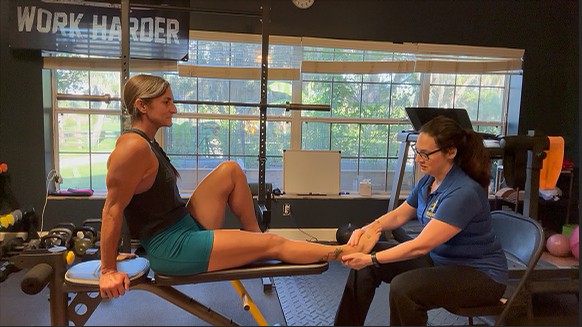
Physical therapy doesn’t usually fail the patient. It fails when the approach is incomplete.


What Is Ehlers-Danlos Syndrome?
Ehlers-Danlos Syndrome (EDS) is a group of genetic connective tissue disorders that affect collagen—the protein responsible for providing strength and elasticity to tissues throughout the body.
Because collagen is everywhere, EDS can impact multiple systems, including:
- Joints (hypermobility, instability, frequent dislocations)
- Skin (stretchiness, fragility, delayed healing)
- Blood vessels and organs (in some subtypes)
EDS is not a single condition—it includes multiple subtypes, each with different levels of severity and symptoms. This variability is one reason diagnosis can be challenging.
Common Symptoms of Ehlers-Danlos Syndrome
1. Joint Hypermobility
- Joints that move beyond the normal range (“double-jointed”)
- Feeling loose or unstable
- Frequent sprains, subluxations, or dislocations
2. Chronic Joint & Muscle Pain
- Ongoing, often widespread pain
- Can worsen with activity or fatigue
- Sometimes mistaken for other conditions like fibromyalgia
3. Joint Instability
- Joints may “give out” or feel unreliable
- Difficulty with activities that require control (stairs, sports, dancing)
4. Soft, Stretchy, or Fragile Skin
- Skin may feel unusually smooth or velvety
- Can stretch more than expected
- Bruises easily or scars poorly in some types
5. Fatigue
- Persistent tiredness, even with adequate rest
- Often related to the extra effort required to stabilize joints
6. Frequent Injuries
- Recurrent sprains or strains
- Slower recovery from injuries
7. Poor Proprioception (Body Awareness)
- Difficulty sensing joint position
- Clumsiness or coordination issues
8. Autonomic Symptoms (in some individuals)
- Dizziness or lightheadedness when standing
- Symptoms associated with conditions like Postural Orthostatic Tachycardia Syndrome (POTS)
9. Gastrointestinal Issues
- Bloating, constipation, or reflux
- Often overlooked but commonly reported
⚠️ Important: Symptoms Vary Widely
One of the most important things to understand:
Not everyone with EDS will have all of these symptoms.
- Some people mainly have joint issues
- Others have more systemic symptoms
- Severity can range from mild to life-altering
This is exactly why the zebra 🦓 is used as a symbol—every case is unique.
At Kickstart Physical Therapy, our goal is to empower you to function at your very best. Isn’t it time for you to Kickstart your health journey?
Why EDS Is Often Misunderstood
One of the most important things to understand about EDS is this:
No two people with EDS are the same.
According to The Ehlers-Danlos Society:
- Individuals can have different symptoms, different types, and different experiences
- Many people spend years searching for a diagnosis
- Symptoms are often misunderstood or dismissed because patients may “look normal”
This variability means treatment should never be one-size-fits-all.
Why the Zebra Is the Symbol of EDS 🦓
If you’ve ever seen zebra stripes associated with EDS, there’s a powerful meaning behind it.
In medicine, students are taught:
“When you hear hoofbeats, think horses, not zebras.”
This means doctors are trained to look for common conditions first, not rare ones.
But for people with EDS, this mindset often leads to:
- Delayed diagnosis
- Misdiagnosis
- Feeling dismissed or misunderstood
That’s why the EDS community embraced the zebra.
As explained by The Ehlers-Danlos Society:
- EDS represents the “unexpected” diagnosis
- “Sometimes when you hear hoofbeats, it really is a zebra”
Even more meaningful:
- No two zebras have identical stripes—just like no two people with EDS are identical
The zebra is not just about rarity—it represents individuality, resilience, and being seen.
The Importance of Individualized Care in EDS
Because EDS affects each person differently, treatment must be highly personalized.
In physical therapy, this means:
- Avoiding generic exercise programs
- Carefully managing joint stability and load
- Respecting pain, fatigue, and flare cycles
- Adapting to each patient’s goals (dance, sports, daily life)
At Kickstart Physical Therapy, we specialize in:
- One-on-one sessions (no techs, no overlap)
- Movement analysis tailored to your lifestyle
- Gradual, safe strengthening for hypermobile joints
- Support for performing artists and active adults
How Physical Therapy Helps EDS
While EDS is not “curable,” physical therapy plays a critical role in improving quality of life.
A personalized PT plan can help:
- Improve joint stability
- Reduce pain and injury risk
- Enhance coordination and body awareness
- Build confidence in movement
Most importantly, it helps individuals regain control over their bodies.
Final Thoughts: Every Zebra Is Unique
EDS reminds us of something powerful in healthcare:
PEOPLE ARE NOT PROTOCOLS!
Every individual has a different story, different symptoms, and different goals. The zebra symbol beautifully captures this truth—no two stripes are the same, and no two patients are the same.
At Kickstart Physical Therapy, that belief drives everything we do.
Why Kickstart Physical Therapy Is the Right Choice for You
At Kickstart Physical Therapy, every session is one-on-one with a certified manual therapist, start to finish.
That means:
Your therapist works with only you
Hands-on manual therapy when your body needs it
Exercises tailored specifically to your movement patterns
Ongoing reassessment—not “set it and forget it”
Time to listen, educate, and problem-solve
This approach allows us to connect the dots between what hurts and why it keeps happening.
When to Seek Help
If you’ve been told your tests are “normal” but you still have:
- Persistent chest pain
- Pain with movement or breathing
- Tenderness along your ribs
…it may be time to consider a musculoskeletal cause like costochondritis.
Costochondritis can be frustrating, especially when it goes undiagnosed or misunderstood. The good news is that with the right approach—particularly hands-on physical therapy—many people experience significant relief and return to normal activities.
Tags:best physical therapy Tampa Wesley Chapelchronic pain physical therapyehlers danlos physical therapyehlers danlos wesley chapel and tampafailed physical therapy Floridafloridamanual therapy wesley chapel tampa floridaone-on-one physical therapy Wesley Chapel Tampapersonalized physical therapyphysical therapy for complex casesroot cause of pain physical therapy