Physical Therapy for Performing Artists: Keeping Musicians, Dancers, and Actors Performing at Their Best https://youtu.be/PzBnR-DNLR8 Performing artists dedicate countless hours to perfecting their craft. Whether it’s a violinist rehearsing difficult passages, a dancer repeating choreography, or an actor delivering powerful performances night after night, the body becomes the instrument of expression. Unfortunately, the physical demands …


Physical Therapy for Performing Artists: Keeping Musicians, Dancers, and Actors Performing at Their Best
Performing artists dedicate countless hours to perfecting their craft. Whether it’s a violinist rehearsing difficult passages, a dancer repeating choreography, or an actor delivering powerful performances night after night, the body becomes the instrument of expression.
Unfortunately, the physical demands of performance can also lead to injury. Overuse, repetitive strain, poor ergonomics, and performance stress can take a toll on performers of all types.
Physical therapy for performing artists focuses on helping musicians, dancers, actors, and singers stay healthy, recover from injuries, and continue performing at a high level.
At Kickstart Physical Therapy, we understand that performers are not just patients—they are artists whose livelihoods and passions depend on their ability to perform.
At Kickstart Physical Therapy, our goal is to empower you to function at your very best. Isn’t it time for you to Kickstart your health journey?
Why Performing Artists Are Prone to Injury
Many people don’t realize how physically demanding the performing arts can be. Performers often rehearse for hours daily while maintaining intense performance schedules.
Common contributing factors include:
• Repetitive movements
• Sustained postures while practicing
• High-performance pressure
• Touring schedules and travel fatigue
• Poor instrument or stage ergonomics
• Limited recovery time
These factors can lead to a wide range of musculoskeletal problems.
Common Injuries in Performing Artists
Different types of performers face unique physical challenges.
Musicians
Musicians frequently develop repetitive strain injuries due to long practice sessions and static postures.
Common musician injuries include:
• Neck and upper back pain
• Tendonitis in the wrist or elbow
• Nerve irritation such as carpal tunnel syndrome
• Shoulder pain
• Jaw and facial tension for wind instrumentalists
Even small biomechanical inefficiencies can cause pain when repeated thousands of times during practice.
Dancers
Dancers combine athletic performance with artistic expression, placing tremendous stress on the body.
Common dancer injuries include:
• Ankle sprains
• Stress fractures
• Hip impingement
• Achilles tendon injuries
• Low back pain
Because dancers often push through pain to perform, injuries may worsen without proper treatment.
Actors and Singers
Actors and vocal performers can also experience physical strain from stage performance.
Common issues include:
• Vocal and breathing mechanics problems
• Neck and shoulder tension
• Rib and thoracic mobility restrictions
• Postural fatigue during long performances
How Physical Therapy Helps Performing Artists
Performing arts physical therapy is different from standard rehabilitation. Treatment must consider the specific demands of performance.
A specialized physical therapist may focus on:
Movement Analysis
Observing posture, instrument positioning, stage movement, and repetitive mechanics.
Manual Therapy
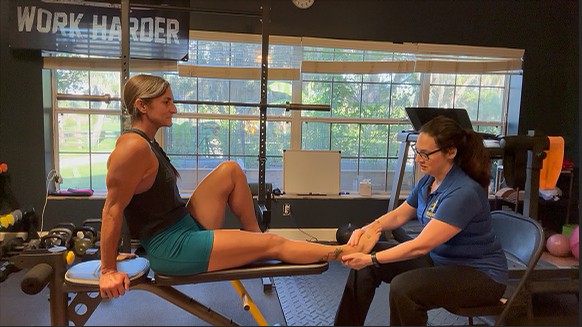
Hands-on treatment techniques can restore joint mobility, reduce muscle tension, and improve movement quality.
Strength and Stability Training
Targeted strengthening improves endurance and resilience during long rehearsals or performances.
Ergonomic and Technique Education
Small adjustments to posture, instrument positioning, or movement patterns can dramatically reduce stress on the body.
Injury Prevention Strategies
Teaching performers how to manage practice schedules, warm up properly, and recognize early signs of injury.
Why Early Treatment Matters
Performers often delay seeking help because they fear missing rehearsals or performances.
However, addressing symptoms early can:
• Prevent minor issues from becoming major injuries
• Reduce recovery time
• Improve performance efficiency
• Increase career longevity
Early intervention allows artists to continue doing what they love while protecting their health.
Physical Therapy Designed for Performers
Performers are unique. Their treatment should reflect the artistic and technical demands of their profession.
At Kickstart Physical Therapy, we believe rehabilitation should be individualized, hands-on, and performance-focused. Whether you are a professional musician, dancer, actor, or passionate hobbyist, physical therapy can help you return to the stage stronger and more resilient.
With experience working with touring musicians and performing artists, we understand the demands of rehearsals, performances, and travel schedules.
Our goal is simple: help you perform at your best while protecting your body for the long run.
Tags:best physical therapy dance Tampa Wesley Chapelbest physical therapy Tampa Wesley Chapelchronic pain physical therapydance and performing arts injuries Tampadance injury rehabfailed physical therapy Floridamanual physical therapy wesley chapel tampa floridamyofascial release tampa wesley chapel floridaone-on-one physical therapy Wesley Chapel Tampapersonalized physical therapyphysical therapy for complex casesroot cause of pain physical therapy