Recovery from Plastic Surgery Doesn’t End in the Operating Room. How Kickstart Physical Therapy Can Help.


How Physical After Plastic Surgery Makes Sense
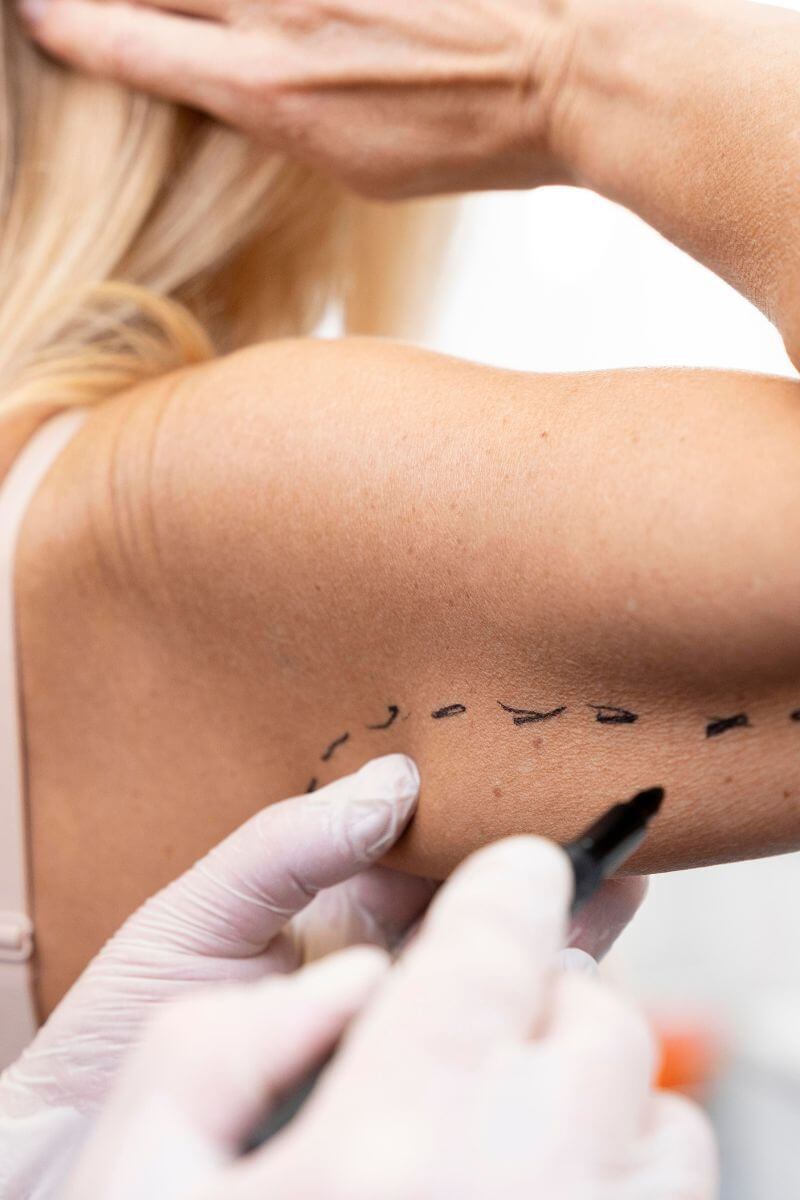
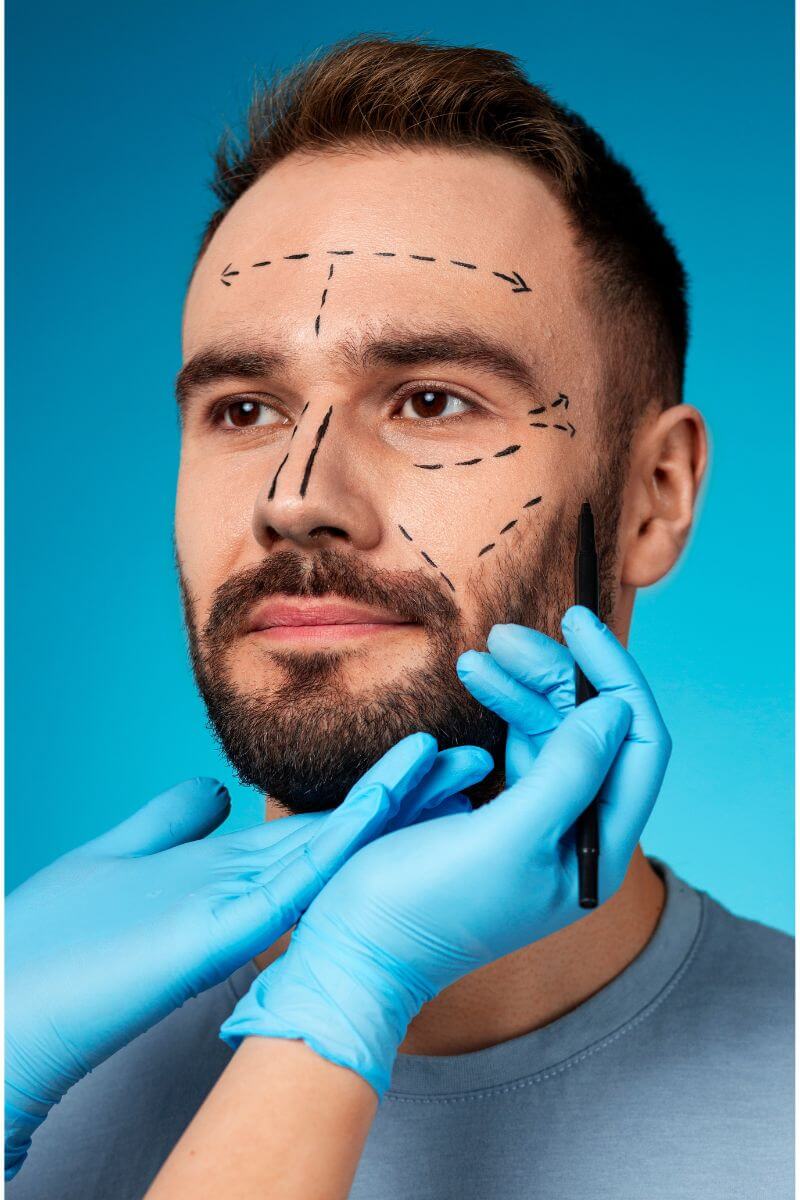
Any time you obtain a scar, it tenses your body’s myofascia which can last years or a lifetime without treatment, and can eventually cause pain in and around the scar or elsewhere in the body. Myofascial release by a skilled physical therapist at Kickstart Physical Therapy can help. Plastic surgery — whether cosmetic or reconstructive — is a major investment in your body, confidence, and quality of life. Procedures such as abdominoplasty (tummy tuck), liposuction, breast augmentation, breast reduction, breast reconstruction, facelifts, rhinoplasty, and body contouring all involve precise surgical techniques that affect the skin, fascia, muscles, and lymphatic system.
While surgeons reshape and refine, your body does the healing—and that’s where myofascial release (MFR) becomes an invaluable part of recovery.
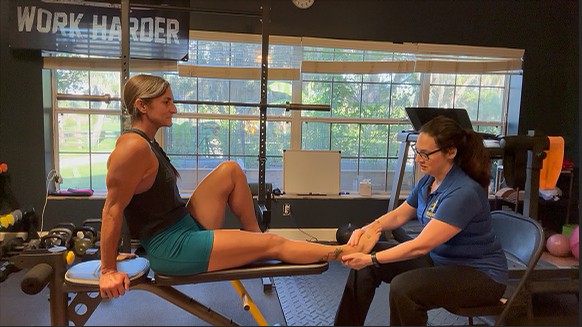
At Kickstart Physical Therapy, we specialize in one-on-one, hands-on manual therapy designed to support optimal healing. Myofascial release is one of the most effective, gentle, and science-supported approaches to reducing post-surgical restrictions and improving long-term outcomes after plastic surgery.
Our goal is to empower you to function at your very best. Isn’t it time for you to Kickstart your health journey?
What Is Myofascial Release?
Myofascial release (MFR) is a hands-on technique that gently stretches and mobilizes the fascia — a thin, strong, interconnected web of connective tissue that surrounds muscles, nerves, and organs.
Following plastic surgery, fascia can become:
- Restricted
- Adhered
- Fibrotic
- Hypomobile due to scar tissue formation
- Painful or hypersensitive
MFR helps restore mobility, reduce pain, and improve overall tissue quality.
How Physical Therapy Can Help Post Plastic Surgery
Why Myofascial Release Is Essential After Plastic Surgery
- Reduces Post-Operative Tightness and Stiffness
Procedures like abdominoplasty, breast augmentation, and liposuction can lead to intense fascial tightening due to:
- Surgical incisions
- Skin and tissue repositioning
- Suturing techniques
- Healing-related inflammation
MFR gently lengthens and softens the fascia, allowing you to move more freely without pulling, pinching, or discomfort.
- Improves Scar Tissue Mobility and Appearance
All plastic surgeries create some level of scarring—even the most meticulously placed incisions.
Myofascial release helps:
- Break down fibrotic adhesions
- Improve collagen alignment
- Reduce scar tethering
- Enhance scar pliability
- Minimize restricted or puckered tissue
Clients often notice scars becoming smoother, flatter, and more mobile with consistent treatment.
- Helps Prevent Capsular Contracture After Breast Augmentation
In breast augmentation, the body naturally forms a capsule around the implant.
Problems arise when this capsule becomes thick, tight, or overly restrictive.
MFR can:
- Support normal capsule mobility
- Improve chest wall and pectoral mobility
- Reduce tissue tension contributing to contracture
- Promote more natural movement and appearance
While no therapy “prevents” capsular contracture in every case, keeping the surrounding fascia mobile is an important component of healthy healing.
- Reduces Pain, Nerve Sensitivity, and Protective Guarding
Post-surgical discomfort is common due to:
- Fascial tightening
- Nerve irritation
- Edema
- Protective muscle guarding
Myofascial release helps calm the nervous system, reduce hypersensitivity, and ease pain without aggressive techniques.
Many patients feel a sense of relief and improved comfort after just a few sessions.
- Improves Lymphatic Flow & Reduces Swelling
Fascial restrictions can impede the lymphatic system, especially after:
- Liposuction
- Brazilian Butt Lift (BBL)
- Body contouring
- Abdominoplasty
MFR complements manual lymphatic drainage (MLD) by restoring tissue glide and enhancing natural fluid movement.
This means:
- Less swelling
- Improved tissue healing
- Faster return to normal activities
- Enhances Post-Surgical Results
Plastic surgery is an investment—and maintaining the best possible result matters.
Myofascial release helps:
- Improve contour smoothness
- Reduce indentation or irregularities
- Restore natural movement patterns
- Optimize posture and alignment
- Maintain surgical outcomes long-term
Patients often report that they feel “more like themselves again” after combining MFR with their post-op care.
These techniques are safe, effective, and supported by research from top medical institutions. Many patients experience significant improvement — often within just a few sessions.
When Can You Start Myofascial Release After Plastic Surgery?
This depends on:
- Your procedure
- Your surgeon’s guidelines
- How your incisions are healing
Generally:
- Early gentle techniques can often begin after your surgeon clears you (commonly 2–6 weeks).
- Deeper fascial work is introduced gradually as tissues stabilize.
We coordinate with your surgeon to ensure every treatment is safe and appropriate.
Why Kickstart Physical Therapy Is the Right Choice for You
At Kickstart, we bring together:
- A boutique, highly personalized, one-on-one setting — not generic group therapy.
- Advanced manual therapies (including myofascial release) tailored for post-surgical, scar and fascial recovery.
- A whole-body focus: scar site → shoulder/trunk mobility → posture → strength → functional return to life.
- A client-centered, empowerment-driven mindset: you’re not just recovering, you’re rebuilding strength, mobility and quality of life.
- Convenient Florida location (Wesley Chapel) and scheduling options that respect your life and commitments.
Tags:abdominoplasty recovery tipsBest physical therapy tampaBest physical therapy wesley chapelbreast augmentation scar tissue releasemyofascial release after breast surgerymyofascial release after plastic surgeryone-on-one physical therapy Wesley Chapel Tampaplastic surgery pain reliefPlastic surgery recovery therapypost-surgical scar tissue treatmentscar pain relief tampa wesley chapel florida