What Is a Manual Therapist? https://youtu.be/wNxLkHzpdcc A manual therapist is a physical therapist who uses highly skilled hands-on techniques to evaluate and treat pain, movement limitations, and dysfunction throughout the body. Rather than relying primarily on machines or exercise alone, manual therapists use their hands to: Assess joint motion and tissue quality Restore mobility and …


What Is a Manual Therapist?
A manual therapist is a physical therapist who uses highly skilled hands-on techniques to evaluate and treat pain, movement limitations, and dysfunction throughout the body.
Rather than relying primarily on machines or exercise alone, manual therapists use their hands to:
Assess joint motion and tissue quality
Restore mobility and alignment
Reduce pain and muscle guarding
Improve nervous system regulation
Enhance overall movement efficiency
Manual therapy is both an art and a science — combining advanced clinical reasoning, anatomy expertise, and refined touch developed through years of specialized training.
At Kickstart Physical Therapy, manual therapy is integrated into individualized one-on-one care to address the root cause of symptoms rather than simply treating where pain appears.
At Kickstart Physical Therapy, our goal is to empower you to function at your very best. Isn’t it time for you to Kickstart your health journey?
What Is Manual Therapy?
Manual therapy refers to specialized hands-on treatment techniques performed by trained physical therapists to improve mobility, decrease pain, and optimize function.
Common goals include:
✅ Restoring joint motion
✅ Reducing muscle tension
✅ Improving circulation and tissue health
✅ Calming sensitive nerves
✅ Supporting natural healing processes
Manual therapy is especially helpful for:
Neck and back pain
Sports and performing arts injuries
Chronic pain conditions
Post-surgical stiffness
Headaches and jaw pain
Movement restrictions affecting performance
Types of Manual Therapy Techniques
Manual therapy is not one single technique — it includes multiple evidence-informed approaches developed by leaders in physical therapy worldwide.
Joint Mobilization (Maitland Concept)
The Maitland approach focuses on gentle, graded joint movements tailored to a patient’s pain level and mobility restrictions.
These techniques help:
Improve joint mechanics
Reduce stiffness
Restore normal motion patterns
Calm irritated joints
Treatment intensity is continuously adjusted based on patient response — a hallmark of skilled manual therapy.
Mobilization With Movement (Mulligan Concept)
Developed by Brian Mulligan, this approach combines therapist-applied joint mobilization with active patient movement.
Benefits include:
Immediate improvement in motion
Pain-free movement retraining
Functional carryover into daily activities
Patients often notice rapid changes because the brain relearns movement without pain signals.
Myofascial Release (John F. Barnes Approach)
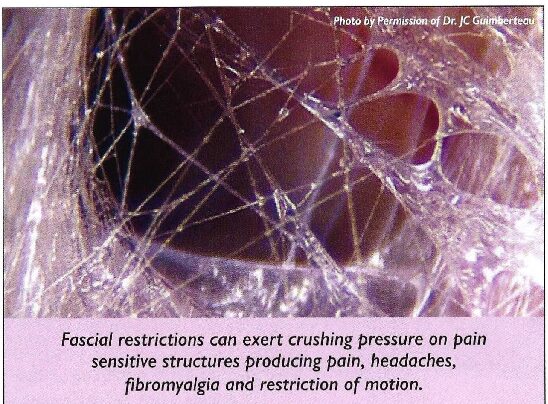
The John F. Barnes Myofascial Release method addresses restrictions within the body’s fascial system — the connective tissue network surrounding muscles, nerves, and organs.
This gentle, sustained technique helps:
Release long-standing tension patterns
Improve mobility globally
Reduce chronic pain sensitivity
Support nervous system relaxation
Fascia connects the entire body, which explains why pain in one region may originate elsewhere.
Muscle Energy Techniques (MET)
Muscle Energy Techniques involve gentle patient muscle contractions guided by the therapist to:
Correct joint alignment
Improve flexibility
Reduce muscle guarding
Restore balanced movement
MET is collaborative — the patient actively participates in the treatment process.
Visceral Mobilization (Barral Institute)
Visceral mobilization, developed through the Barral Institute, focuses on the mobility of internal organs and their connective tissues.
While less widely known, organ mobility can influence:
Posture and movement mechanics
Back and pelvic pain
Breathing patterns
Core function
Gentle techniques help restore natural motion between organs and surrounding structures.
The Influence of Stanley Paris and Modern Manual Therapy
One of the most influential figures in manual therapy is Stanley Paris, a pioneer of orthopedic manual physical therapy and founder of the University of St. Augustine for Health Sciences.
His philosophy emphasized:
Clinical reasoning over rigid protocols
Listening to tissue response
Treating the whole person, not just symptoms
Continuous professional development
Stanley Paris helped shape manual therapy into a globally respected specialty grounded in both science and skilled touch.
Modern manual therapists continue this tradition by combining research, experience, and individualized care.
What It Takes to Become a Manual Therapist
Manual therapy expertise goes far beyond entry-level physical therapy education.
A manual therapist typically completes:
Doctorate-level physical therapy education
Extensive postgraduate coursework
Hundreds to thousands of additional training hours
Ongoing mentorship and clinical refinement
Training often spans multiple schools of thought because no single technique fits every patient.
Manual Therapy at Kickstart Physical Therapy
At Kickstart Physical Therapy, advanced training includes coursework in:
- Certified Manual Therapist from University of St. Augustine, Stanley Paris approach
- Certified Manual Therapist in Vestibular/Vertigo and Concussion Rehab, American Institute of Balance
Maitland joint mobilization
Mulligan mobilization with movement
John F. Barnes Myofascial Release
Muscle Energy Techniques
Barral Institute Visceral Mobilization
This blended approach allows treatment to be tailored precisely to each individual.
At Kickstart Physical Therapy, manual therapy is used as part of a comprehensive, root-cause approach to rehabilitation and performance.
Every session includes:
One-on-one treatment
Individualized assessment
Hands-on care when appropriate
Movement retraining and education
A plan designed around your goals and lifestyle
The goal is simple: help you move better, feel better, and return confidently to the activities you love.
Tags:best physical therapy Tampa Wesley Chapelchronic pain physical therapyfailed physical therapy Floridamanual physical therapy wesley chapel tampa floridamyofascial release tampa wesley chapel floridaone-on-one physical therapy Wesley Chapel Tampapersonalized physical therapyphysical therapy for complex casesroot cause of pain physical therapy